Conservative Ayurveda Therapies
Abhyanga - The Foundation of Ayurveda Oil Therapy
A therapeutic Ayurveda massage using warm medicated herbal oils to nourish the body, balance Doshas, improve circulation and promote physical, mental and emotional wellbeing.
Abhyanga is one of the most important external therapies (Bahya Chikitsa) in Ayurveda and forms an integral part of both Panchakarma and Rasayana (rejuvenation) therapies. It involves the systematic application of warm medicated herbal oils over the body using specialised massage techniques performed by trained therapists under the guidance of an Ayurveda physician.
Caution: Therapeutic Abhyanga Is Not a Spa Massage
Although deeply relaxing, Abhyanga is a physician-directed therapeutic procedure rather than a wellness spa massage. The wrong medicated oil, inappropriate pressure or incorrect technique may aggravate certain conditions. It should always be prescribed after proper Ayurveda assessment and performed by trained therapists under medical supervision.
Treatment overview
How Ayurveda Approaches This Treatment
Far more than a conventional massage, Abhyanga is an individualized medical therapy. The medicated oil, massage technique, pressure, duration and treatment frequency are selected according to the patient�s Prakriti (body constitution), Dosha imbalance, disease condition and therapeutic objectives.
Ayurveda considers Vata Dosha to be the principal regulator of movement, nervous system function and ageing. Abhyanga is one of the most effective therapies for pacifying aggravated Vata while nourishing the skin, muscles, joints, nerves and deeper tissues.
Depending on the clinical indication, Abhyanga may be performed as a full-body therapy or as a targeted local treatment focusing on specific body regions.
According to Ayurveda, aggravated Vata Dosha causes dryness, stiffness, pain, restricted movement, fatigue and gradual tissue degeneration.
Abhyanga aims to:
Warm medicated herbal oils work synergistically with therapeutic massage techniques to support tissue nourishment, improve circulation and facilitate relaxation.
Treatment goals
- Pacify aggravated Vata
- Nourish the Dhatus (body tissues)
- Improve circulation
- Enhance lymphatic drainage
- Lubricate joints
- Improve muscle flexibility
- Reduce stiffness
- Support nervous system function
- Prepare the body for Panchakarma
- Promote sound sleep
- Improve overall vitality
Conditions Indicated
Abhyanga may be recommended as part of a comprehensive treatment plan for
Musculoskeletal Disorders
- Osteoarthritis
- Cervical spondylosis
- Lumbar spondylosis
- Frozen shoulder
- Muscle stiffness
- Back pain
- Neck pain
- Joint pain
- Sports-related muscle fatigue
- General body aches
Neurological Disorders
- Hemiplegia
- Facial palsy
- Peripheral neuropathy
- Parkinsonism (supportive care)
- Sciatica
- Vata disorders
- Nerve weakness
Stress & Lifestyle Disorders
- Stress
- Anxiety
- Mental fatigue
- Occupational fatigue
- Poor sleep
- Burnout
General Health & Wellness
- Dry skin
- Generalised body stiffness
- Poor circulation
- Age-related weakness
- Fatigue
- Preventive healthcare
- Seasonal wellness
Panchakarma Preparation
- Prior to Vamana
- Prior to Virechana
- Prior to Vasti
- Prior to Nasya
- Detoxification programmes
Types of Abhyanga
The type of Abhyanga is selected according to the patient's condition and therapeutic goals
Generalised Abhyanga
A complete body massage using warm medicated oils. Commonly recommended for:
- Vata disorders
- Stress
- General fatigue
- Panchakarma preparation
- Preventive healthcare
- Rejuvenation (Rasayana)
Localised Abhyanga
Focused massage performed over a specific body region when symptoms are limited to a particular area.
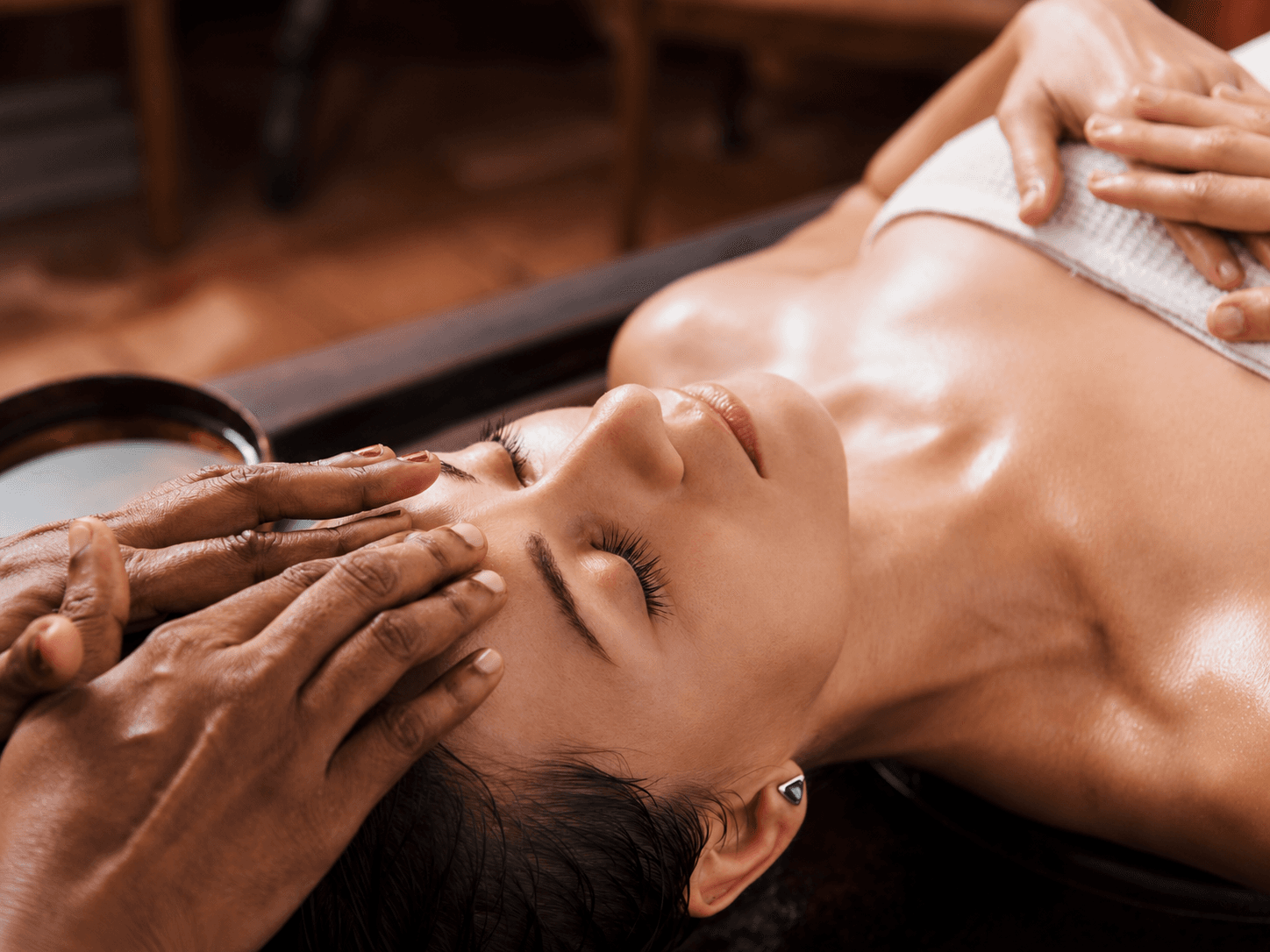
- Shiro Abhyanga (Head Massage) - Stress, Headache, Hair care, Poor sleep, Mental fatigue
- Mukha Abhyanga (Face Massage) - Facial muscle relaxation, Facial palsy (supportive care), Skin nourishment
- Greeva Abhyanga (Neck Massage) - Neck pain, Cervical stiffness, Cervical spondylosis
- Kati Abhyanga (Lower Back Massage) - Low back pain, Lumbar spondylosis, Muscle spasm
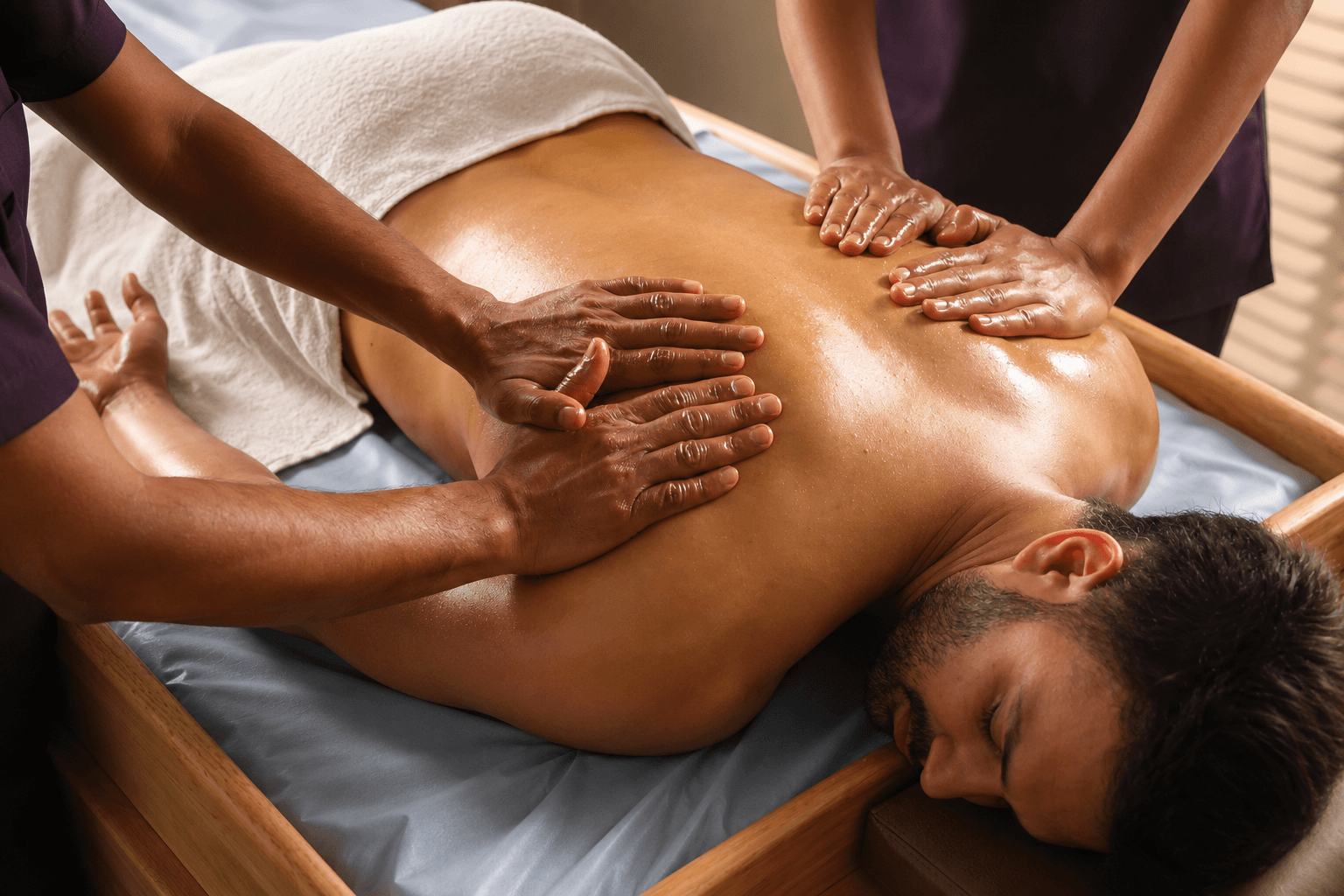
- Prushta Abhyanga (Back Massage) - Upper back pain, Postural strain, Muscle tightness
- Uro Abhyanga (Chest Massage) - Selected respiratory conditions, Chest wall muscle tightness
- Udara Abhyanga (Abdominal Massage) - Constipation, Abdominal muscle tightness, Selected digestive disorders
- Hasta Abhyanga (Hand Massage) - Hand stiffness, Arthritis, Occupational strain
- Janu Abhyanga (Knee Massage) - Osteoarthritis, Knee pain, Joint stiffness
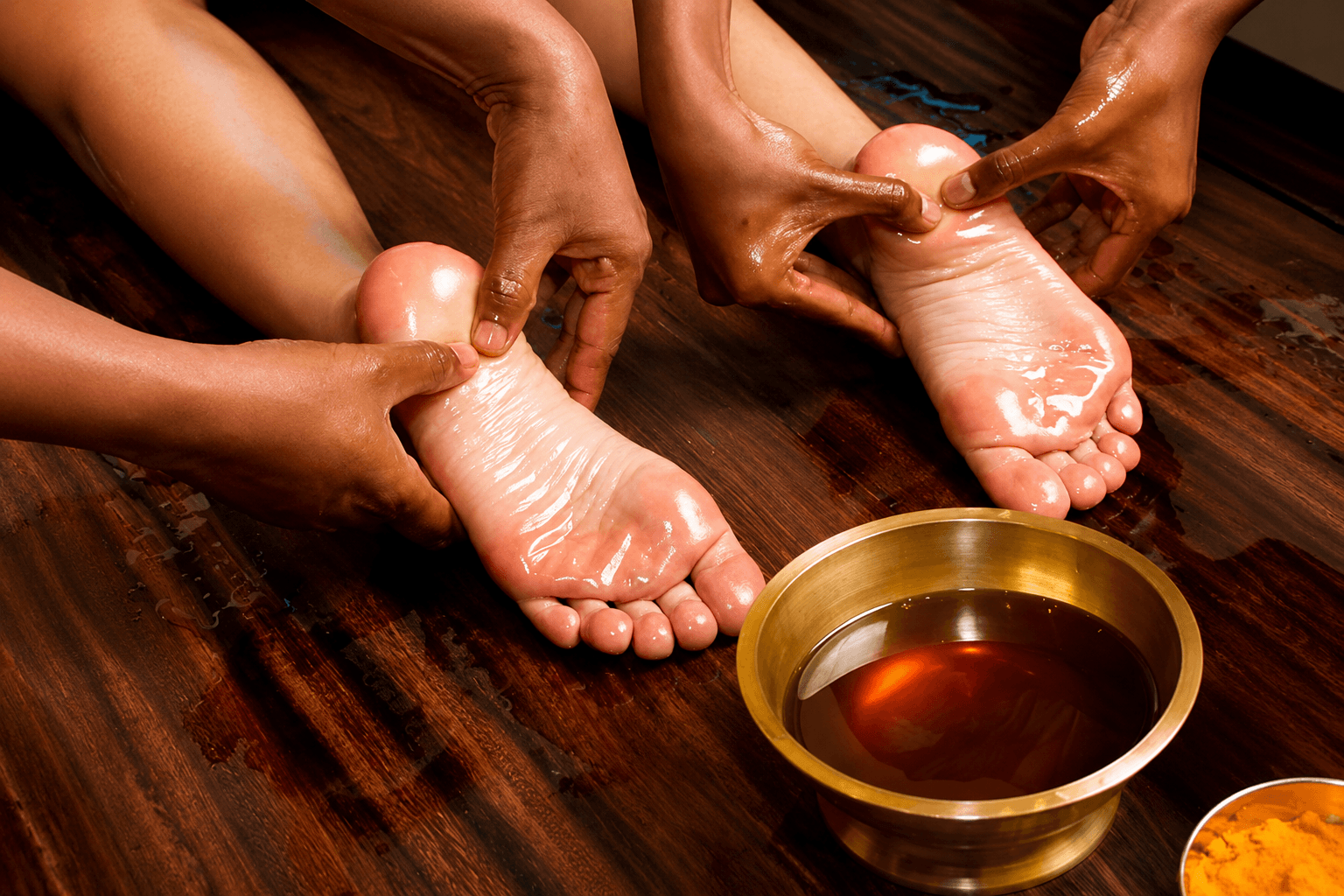
- Pada Abhyanga (Foot Massage) - Burning feet, Dry feet, Neuropathy, Stress, Sleep disturbances, General relaxation
Common Medicated Oils Used
The oil is always selected after physician assessment
- Dhanwantaram Taila
- Ksheerabala Taila
- Mahanarayana Taila
- Sahacharadi Taila
- Bala Taila
- Murivenna
- Pinda Taila
- Eladi Taila
- Kottamchukkadi Taila
- Karpooradi Taila
Benefits
Patients may experience
Benefits vary depending on the condition, duration of illness and adherence to lifestyle recommendations.
Relief from muscle stiffness
Reduced joint pain
Improved flexibility
Better circulation
Reduced stress
Better sleep quality
Improved skin nourishment
Reduced fatigue
Enhanced mobility
Improved energy levels
Overall sense of wellbeing
Who Can Benefit
An Ayurveda physician will determine the appropriate treatment plan after clinical evaluation
- Individuals with chronic pain
- Patients with Vata disorders
- People with sedentary lifestyles
- Elderly individuals
- Athletes
- Office workers
- Patients recovering from illness
- Individuals undergoing Panchakarma
- Those seeking preventive healthcare and rejuvenation
Treatment Process
What to expect during an Abhyanga treatment plan
Consultation
Comprehensive Ayurveda assessment including: Prakriti, Vikriti, Dosha predominance, Agni, Medical history, Musculoskeletal examination, Treatment objectives.
Preparation (Purva Karma)
Selection of medicated oil, Warming of the oil, Comfortable positioning, Preparation of treatment room.
Abhyanga Therapy
Warm medicated oil is applied using rhythmic, systematic massage techniques. Depending on the treatment plan, one or two therapists may perform the therapy with synchronized movements while maintaining appropriate pressure and direction according to Ayurveda principles. Generalised or localised Abhyanga is selected based on the clinical indication.
Swedana (When Indicated)
Following Abhyanga, mild herbal steam therapy may be recommended to enhance relaxation, facilitate sweating and prepare the body for Panchakarma.
Post-care
Patients receive: Bathing instructions, Dietary advice, Activity recommendations, Lifestyle guidance, Follow-up schedule.
Duration & Follow-up
A typical session lasts 45-60 minutes for full-body Abhyanga. Localised Abhyanga usually requires 15-30 minutes, depending on the area treated.
Treatment may be recommended as: A single wellness session, A short therapeutic course, Daily Panchakarma therapy, Long-term maintenance therapy.
Follow-up consultations help assess progress and adjust treatment where necessary.
Frequently asked questions
Common questions about Abhyanga
Is Abhyanga just an oil massage?
No. Abhyanga is a physician-prescribed Ayurveda therapeutic procedure that uses medicated herbal oils selected specifically for your body constitution and medical condition.
Is the massage painful?
No. The pressure is adjusted according to your condition, age and treatment goals. Most patients find the therapy deeply relaxing.
Which oil will be used?
The medicated oil is chosen after evaluating your Dosha imbalance, disease condition and therapeutic needs.
Should I bathe after Abhyanga?
Yes. Your physician will advise when and how to bathe after treatment to maximise therapeutic benefits.
How many sessions will I need?
Acute conditions may improve with a few sessions, while chronic disorders often require a planned course of treatment.
Are there any precautions?
Abhyanga may not be suitable during acute fever, severe indigestion (Ajirna), active infections, immediately after heavy meals, certain skin infections, uncontrolled cardiac conditions or other situations identified during physician evaluation.
Related Treatments
Related Blogs
- Why Is Abhyanga Called the Foundation of Ayurveda Therapy?
- Choosing the Right Medicated Oil in Ayurveda
- Daily Abhyanga: Ancient Self-Care for Modern Life
- Can Abhyanga Help Chronic Back Pain?
- Understanding Vata and Musculoskeletal Health
- Abhyanga vs Spa Massage: What�s the Difference?
- The Benefits of Pada Abhyanga for Better Sleep
Receive Personalised Ayurveda Care
Wondering if Abhyanga Is the Right Treatment for You?
Every patient is unique. At AYANA, every Abhyanga treatment is individually tailored after assessing your body constitution, Dosha imbalance, disease stage and overall health. Whether you require a full-body rejuvenating Abhyanga or a targeted therapy such as Pada Abhyanga, Shiro Abhyanga or Greeva Abhyanga, our physicians design personalised treatment protocols using authentic medicated herbal oils and classical Ayurveda techniques, delivered with modern standards of safety, hygiene and clinical excellence.
Book your consultation today and discover how Abhyanga can support your health, recovery and long-term wellbeing.