Conservative Ayurveda Therapies
Virechana - The Classical Cleansing Therapy for Pitta Disorders
Therapeutic herbal purgation that gently eliminates excess Pitta and toxins, restoring balance, digestive health, and overall wellbeing.
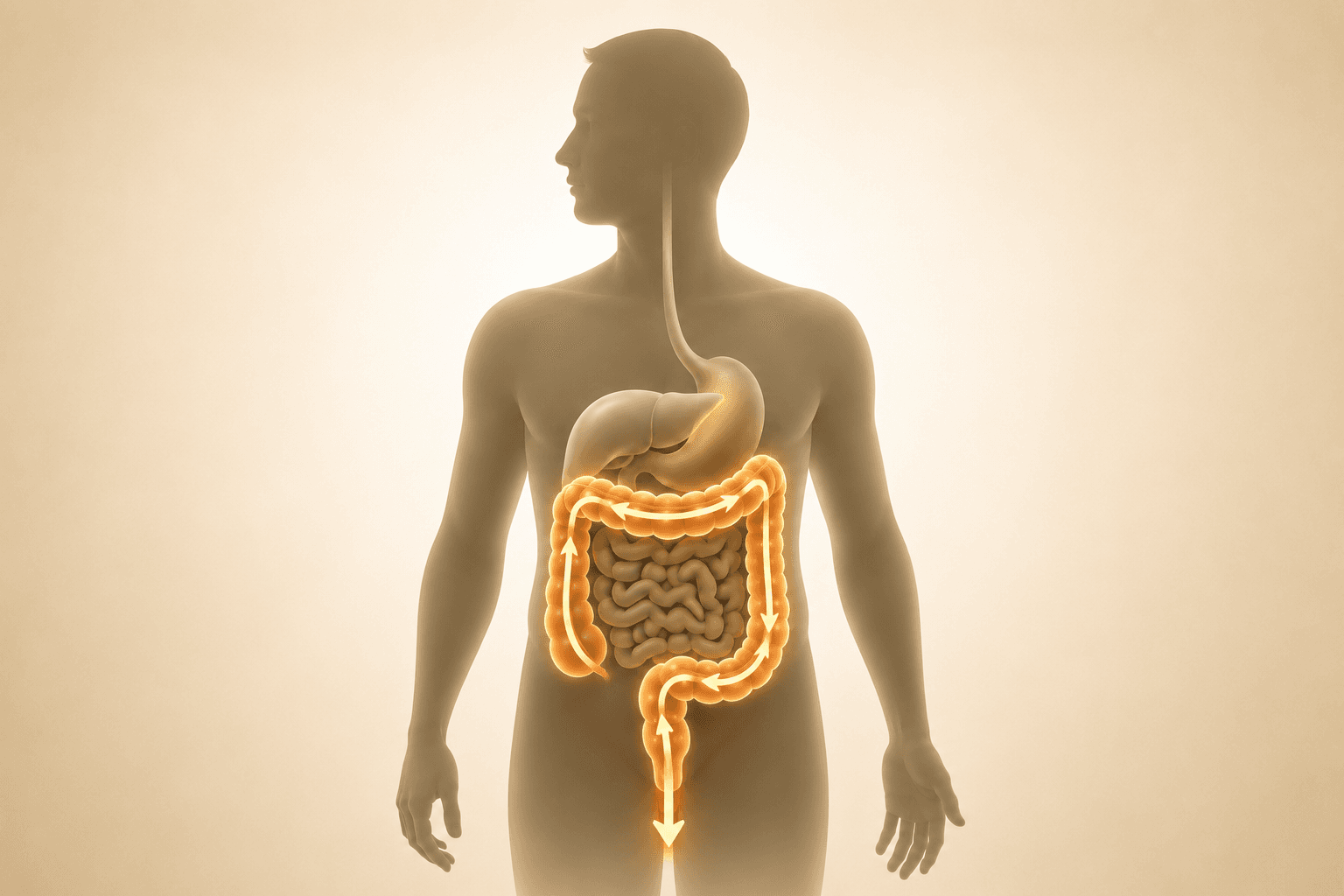
Virechana is one of the five principal Panchakarma therapies and involves the supervised administration of specially selected herbal medicines to induce controlled therapeutic purgation.
Caution: improper Virechana can cause serious health complications
Virechana is a potent medical therapy and should never be self-administered or undertaken without proper medical supervision. Incorrect patient selection, preparation, or execution can lead to serious immediate and long-term complications.
Treatment overview
How Ayurveda approaches Virechana
According to Ayurveda, excess Pitta accumulates primarily in the small intestine, liver, gallbladder, and blood. When aggravated, Pitta may contribute to inflammatory disorders, digestive disturbances, skin diseases, and metabolic imbalance.
Classical Ayurveda regards Virechana as the primary purification therapy for Pitta disorders and recommends it for a wide range of chronic inflammatory and metabolic conditions.
Before Virechana, the body is carefully prepared with appropriate Panchakarma procedures to mobilize accumulated doshas toward the gastrointestinal tract for effective elimination.
Treatment goals
- Eliminate aggravated Pitta from its primary seat
- Purify the gastrointestinal tract
- Support healthy liver function
- Improve digestive fire (Agni)
- Purify the blood
- Reduce inflammation
- Promote metabolic balance
The choice of purgative medicines depends on constitution, disease condition, strength, digestive capacity, season, and age. The treatment is always individualized after clinical assessment.
Conditions indicated
When Virechana may be considered as part of a broader treatment plan
Skin Disorders
- Eczema
- Psoriasis
- Acne
- Urticaria
- Chronic itching
- Pigmentation disorders
Digestive Disorders
- Hyperacidity
- Chronic gastritis
- Acid reflux
- Constipation associated with Pitta
- Liver dysfunction
- Gallbladder disorders (selected patients)
Metabolic Disorders
- Fatty liver
- Elevated cholesterol
- Obesity (selected patients)
- Metabolic syndrome
- Certain lifestyle disorders
Women's Health
- Pitta-related menstrual disorders
- Inflammatory pelvic conditions (selected patients)
- Hormonal imbalance associated with excess Pitta
General Health
- Chronic inflammatory conditions
- Heat intolerance
- Excess body heat
- Recurrent headaches associated with Pitta
- Pitta imbalance
Benefits
Potential outcomes depend on the person, condition, and treatment course
Patients may experience relief from hyperacidity, clearer skin, reduced inflammation, improved digestion, better bowel regularity, improved liver function, and a feeling of lightness and wellbeing. Benefits vary according to the condition being treated, disease duration, and adherence to dietary and lifestyle advice.
Relief from hyperacidity
Clearer and healthier skin
Reduced inflammation
Improved digestion
Better bowel regularity
Improved liver function
Reduced body heat
Improved metabolism
Enhanced energy levels
A feeling of lightness and wellbeing
Who can benefit
Physician evaluation comes first
Virechana may be suitable for chronic skin disorders, hyperacidity, acid reflux, liver disorders, metabolic disorders, and selected seasonal Panchakarma cleansing protocols. A physician will determine whether it is appropriate after evaluating your overall health.
- Chronic skin disorders
- Hyperacidity
- Acid reflux
- Liver disorders
- Fatty liver
- Metabolic disorders
- Pitta-predominant diseases
- Individuals undergoing Panchakarma detoxification
- Patients requiring seasonal cleansing
Treatment process
What to expect during a Virechana treatment plan
Consultation
Comprehensive Ayurveda assessment including Prakriti, Vikriti, Agni, bowel habits, and medical history.
Preparation (Purva Karma)
Depending on the treatment plan, preparation may include internal oleation, therapeutic oil massage, herbal steam therapy, and a special preparatory diet.
Administration
The prescribed herbal purgative medicine is administered under medical supervision, usually in the morning after appropriate preparation.
Therapeutic purgation
The patient passes multiple controlled bowel movements over several hours while being carefully monitored by the physician.
Post-care
Patients receive Samsarjana Krama, diet guidance, lifestyle advice, activity recommendations, and a follow-up treatment schedule.
Duration & follow-up
Preparation generally takes several days, while the Virechana procedure itself is completed in a single treatment session. Recovery includes a carefully planned post-treatment dietary regimen for gradual restoration of digestive strength.
Follow-up consultations help monitor progress and modify treatment as needed.
Frequently asked questions
Common questions about Virechana
Is Virechana painful?
No. Virechana is a controlled therapeutic procedure. Although multiple bowel movements occur, the treatment is carefully supervised to ensure patient safety and comfort.
Will I have diarrhoea?
Virechana produces controlled therapeutic purgation, which differs from illness-related diarrhoea. The physician determines the appropriate intensity based on your condition.
How long does one session take?
The purgation process usually lasts several hours on the treatment day, while the complete Panchakarma protocol includes preparation and post-treatment care.
Will I need multiple sessions?
Most patients undergo one planned Virechana as part of a treatment course. Repeat therapy depends on the disease, physician assessment, and long-term treatment goals.
Are there any precautions?
Yes. Virechana is not suitable for everyone. Pregnancy, severe dehydration, acute gastrointestinal illnesses, extreme debility, and certain other medical conditions require careful consideration.
Related treatments
Related blog topics
- Why is Virechana the preferred therapy for Pitta disorders?
- Understanding Pitta dosha and inflammation
- Panchakarma: beyond detox
- Ayurveda approach to healthy liver function
- Preparing for Virechana: what to expect
- Diet after Virechana: why Samsarjana Krama matters
Receive personalised Ayurveda care
Wondering if Virechana is the right treatment for you?
Every patient condition is unique. At Ayana, each Virechana protocol is tailored to body constitution, disease stage, digestive strength, and overall health - following authentic Ayurveda principles with modern standards of safety and hygiene.