Conservative Ayurveda Therapies
Nasya - for Head and Respiratory Health
Medicated herbal oils, ghee or herbal extracts administered through the nasal passages to cleanse, nourish and rejuvenate the organs above the clavicle.
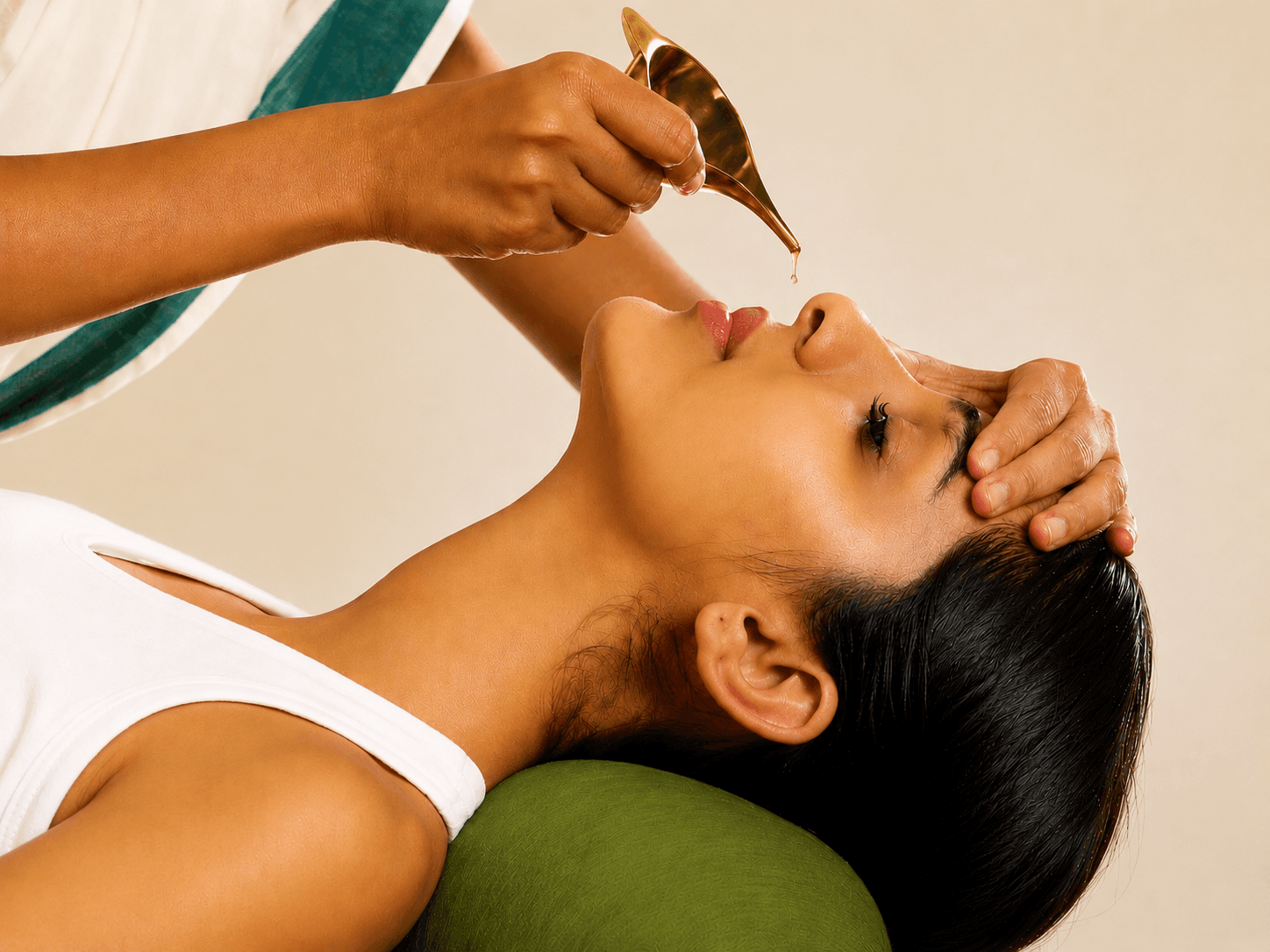
Nasya is one of the five principal Panchakarma therapies and involves the supervised administration of specially prepared medicated oils, herbal juices, powders or ghee through the nostrils.
Caution: Improper Nasya Can Cause Serious Health Complications
Nasya is a specialised medical therapy and should never be self-administered without proper guidance. Incorrect medicine selection, dosage or technique can lead to complications and may worsen existing conditions; therefore, it should only be prescribed and performed by a trained Ayurveda physician.
Treatment overview
How Ayurveda Approaches This Treatment
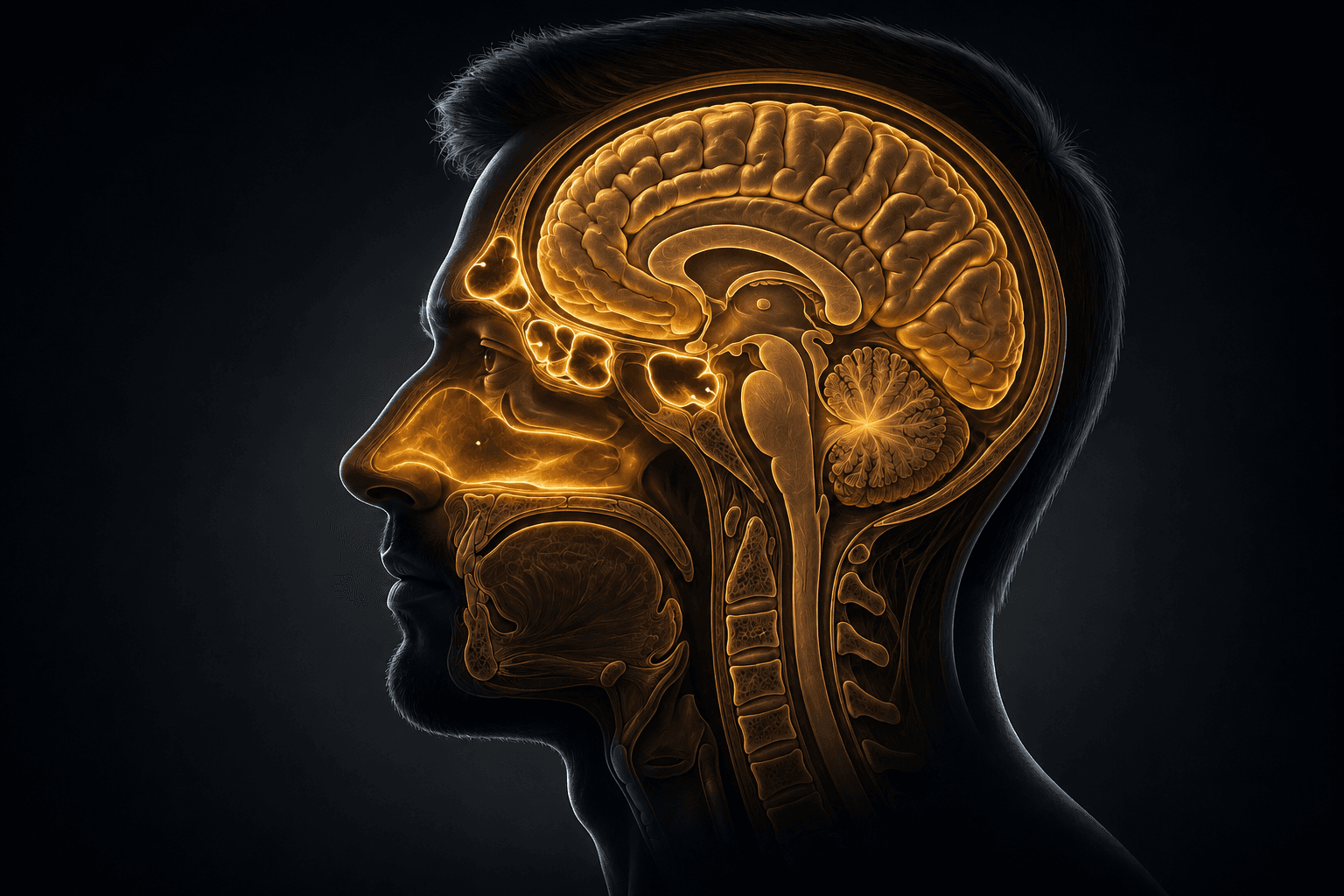
According to Ayurveda, the nose is the gateway to the head (Nasa Hi Shiraso Dwaram). Since the head houses the brain, sense organs and vital channels, Nasya helps eliminate accumulated Doshas, particularly Kapha, while nourishing tissues and promoting healthy functioning of the organs above the clavicle.
Classical Ayurveda considers Nasya the primary purification and rejuvenation therapy for diseases affecting the nose, sinuses, head, neck and nervous system.
Ayurveda considers the nose as the principal gateway for therapies acting on the organs above the clavicle. When Kapha and other Doshas accumulate in this region, they may obstruct normal function and produce a wide range of disorders.
Instead of merely suppressing symptoms, Nasya aims to:
Treatment goals
- Eliminate aggravated Kapha from the head and neck
- Clear the nasal passages and sinuses
- Nourish the sense organs
- Support healthy brain function
- Improve breathing
- Promote mental clarity
- Maintain healthy functioning of the head and neck
Depending on the individual's constitution (Prakriti), disease stage, strength, age and therapeutic goals, different forms of Nasya are selected.
- Marsha Nasya
- Pratimarsha Nasya
- Navana Nasya
- Avapeedana Nasya
- Dhuma Nasya
- Pradhamana Nasya
The choice is always individualized after clinical assessment.
Conditions Indicated
Nasya may be recommended as part of a comprehensive treatment plan for
Ear, Nose & Throat Disorders
- Chronic sinusitis
- Allergic rhinitis
- Recurrent cold
- Nasal congestion
- Chronic sneezing
- Post-nasal drip
Neurological Conditions
- Headache
- Migraine (selected patients)
- Facial palsy
- Trigeminal neuralgia
- Memory impairment
- Sleep disturbances
Head & Neck Disorders
- Cervical stiffness
- Jaw disorders
- Hoarseness of voice
- Dryness of nose
- Loss of smell
- Hair fall (selected protocols)
General Health
- Stress
- Mental fatigue
- Poor concentration
- Kapha imbalance
- Seasonal respiratory allergies
Benefits
Patients may experience
Benefits vary according to the condition being treated, disease duration and adherence to dietary and lifestyle advice.
Relief from nasal congestion
Reduced sinus symptoms
Improved breathing
Reduced headache frequency
Better sleep
Improved sense of smell
Reduced allergy symptoms
Improved concentration
Mental clarity
Reduced neck stiffness
Enhanced overall wellbeing
Who Can Benefit
A physician will determine whether Nasya is appropriate
Nasya may be suitable for people experiencing the following, and it may also be used in broader Panchakarma detoxification or preventive seasonal care plans.
- Chronic sinusitis
- Allergic rhinitis
- Frequent headaches
- Migraine
- Chronic nasal blockage
- Neck stiffness
- Kapha-predominant disorders
- Individuals undergoing Panchakarma detoxification
- Patients seeking preventive seasonal care
Treatment Process
What to expect during a Nasya treatment plan
Consultation
Comprehensive Ayurveda assessment including Prakriti, Vikriti, Agni, Dosha predominance and medical history.
Preparation (Purva Karma)
Depending on the treatment plan: Gentle facial massage, Head and neck massage, Mild herbal steam therapy.
Administration
The prescribed medicated oil, ghee or herbal preparation is gently instilled into each nostril while the patient lies comfortably with the head slightly extended.
Therapeutic Response
The patient is encouraged to gently expel loosened secretions as directed by the physician. The therapy is carefully monitored for comfort and effectiveness.
Post-care
Patients receive: Diet guidance, Activity recommendations, Lifestyle advice, Follow-up treatment schedule.
Duration & Follow-up
Nasya is usually performed as a short outpatient procedure. Depending on the condition, treatment may be recommended for several consecutive days or as part of a comprehensive Panchakarma program.
Follow-up consultations help monitor progress and modify treatment as needed.
Frequently asked questions
Common questions about Nasya
Is Nasya painful?
No. When performed correctly by trained professionals, Nasya is generally comfortable and well tolerated. Some patients may experience mild temporary irritation or increased nasal discharge immediately after the procedure.
Will I be able to breathe normally afterwards?
Yes. Once the loosened secretions are expelled, many patients experience a clearer nasal passage and easier breathing.
How long does one session take?
The procedure itself usually takes about 15-30 minutes, though the total appointment may be longer due to preparation and observation.
Will I need multiple sessions?
Many chronic ENT and neurological conditions benefit from a planned course of Nasya rather than a single session.
Are there any precautions?
Yes. Nasya is not suitable for everyone. It should only be performed after physician evaluation. Acute fever, active nasal bleeding, severe respiratory infections, immediately after meals, pregnancy (certain procedures), and other contraindications require careful consideration.
Related Treatments
Related Blogs
- Why Is the Nose Called the Gateway to the Head in Ayurveda?
- Understanding Nasya Therapy and Sinus Health
- Panchakarma: Beyond Detox
- Managing Allergic Rhinitis Naturally with Ayurveda
- Can Nasya Help Improve Mental Clarity?
- Common Myths About Nasya Therapy
Receive Personalised Ayurveda Care
Wondering if Nasya is the right treatment for you?
Every patient's condition is unique. At AYANA, we tailor every Nasya protocol based on your body constitution, disease stage, digestive strength and overall health-following authentic Ayurveda principles with modern standards of safety and hygiene.
Book your consultation today and discover whether Nasya is the right therapy for your health journey.