Para-surgical Procedures
Kshara Karma - Chemical Debridement & Cauterisation
A physician-controlled Ayurvedic para-surgical procedure that uses specially prepared alkaline formulations for selective tissue debridement, chemical cauterisation and stimulation of healthy wound healing.
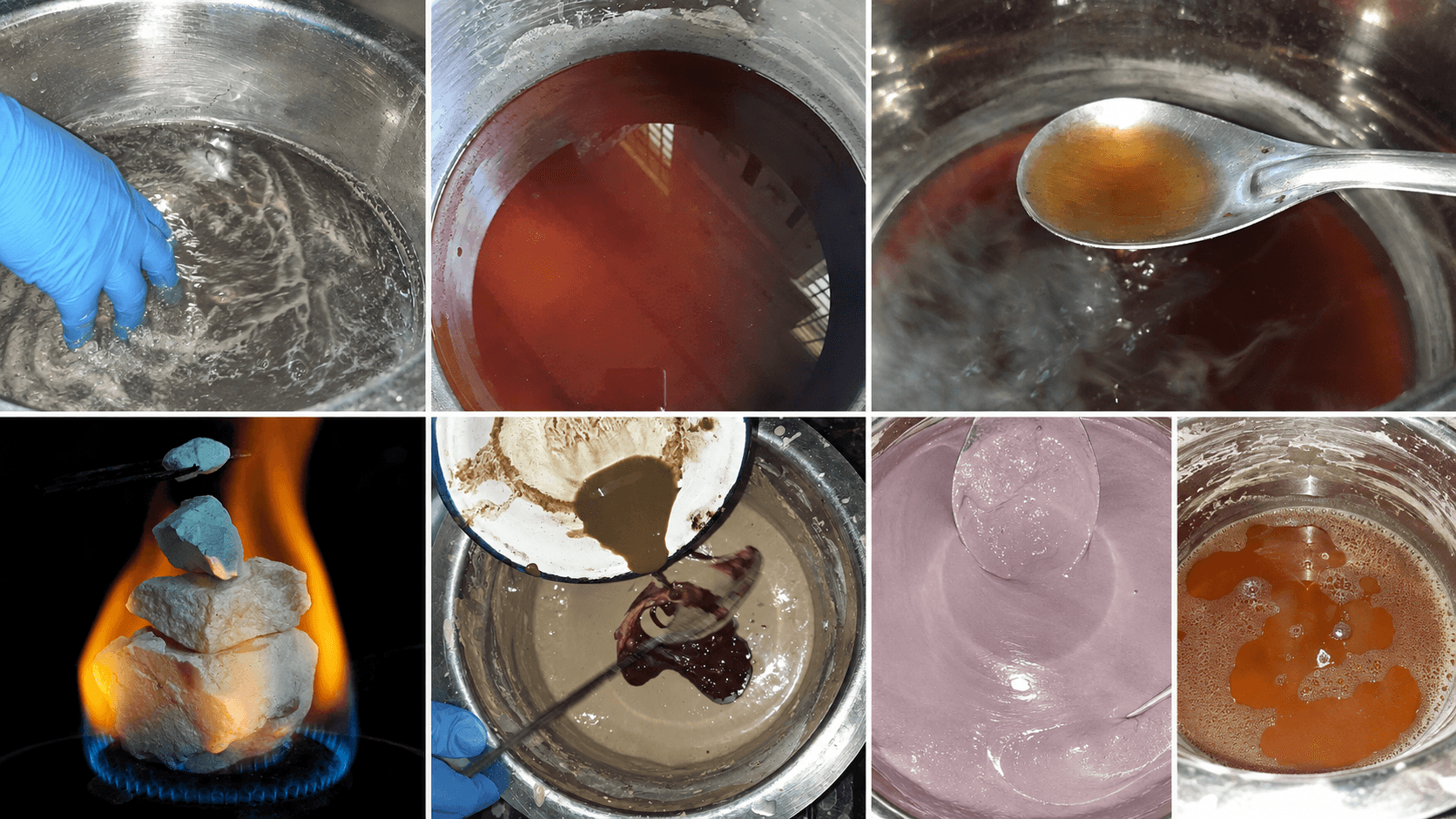
Treatment Overview
Treatment Overview
Kshara Karma is a classical Ayurvedic para-surgical procedure described in the Sushruta Samhita, in which a specially prepared Kshara is applied directly to diseased tissue under controlled conditions.
Depending on the clinical indication, Kshara may be used to:
- Remove unhealthy tissue
- Debride chronic wounds
- Chemically cauterize abnormal tissue
- Destroy diseased tissue selectively
- Promote healthy granulation
- Facilitate wound healing
Unlike Kshara Sutra Therapy, which employs a medicated thread within a tract, Kshara Karma involves direct topical application of Kshara to the affected tissue.
Understanding Kshara
The word Kshara literally means “that which causes tissue destruction or dissolution.”
Although commonly translated as alkali, the Ayurvedic concept is broader.
Kshara includes substances capable of producing controlled chemical destruction of unhealthy tissue. These may include:
- Plant-derived alkaline preparations (Apamarga Kshara, Arka Kshara, etc.)
- Calcium-based alkaline preparations described in classical Kshara Paka
- Other physician-selected corrosive formulations prepared according to Ayurvedic principles
The choice of Kshara depends upon the disease, tissue involved and therapeutic objective.
How Does Kshara Work?
How Does Kshara Work?
In Chronic Wounds
Kshara helps:
- Debride necrotic tissue
- Remove slough
- Eliminate unhealthy granulation tissue
- Prepare the wound bed
- Promote healthy granulation
- Facilitate wound healing
In Hemorrhoids, Skin Tags & Similar Lesions
Kshara acts by:
- Chemical cauterisation
- Controlled destruction of diseased tissue
- Shrinkage of abnormal tissue
- Progressive healing with fibrosis
Conditions Treated
Conditions Treated
Chronic Wounds
- Non-healing ulcers
- Chronic infected wounds
- Slough-covered wounds
- Hypergranulating wounds
- Selected diabetic foot wounds (after evaluation)
- Venous ulcers
- Pressure ulcers (selected cases)
Anorectal Disorders
- Internal hemorrhoids
- External hemorrhoids (selected cases)
- Sentinel pile associated with chronic fissure
- Hypertrophied anal papilla
- Anal skin tags
Pilonidal Disease
- Pilonidal sinus openings
- Residual unhealthy granulation
- Chronic sinus wounds
- Post-operative wound management
Anal Fistula
- External openings
- Unhealthy granulation tissue
- Residual diseased tissue after appropriate evaluation
Other Indications
- Chronic sinus tracts
- Selected benign soft tissue lesions
- Unhealthy exuberant granulation tissue
How Ayurveda Approaches This Treatment
According to Ayurveda, chronic unhealthy tissue impedes normal healing.
Kshara Karma combines several therapeutic actions:
- Chedana: Selective destruction of diseased tissue.
- Bhedana: Opening of unhealthy tissue where required.
- Lekhana: Chemical scraping and removal of unhealthy tissue.
- Shodhana: Cleansing of the wound bed.
- Ropana: Promotion of healthy tissue formation and wound healing.
Types of Kshara Used
The physician selects the appropriate Kshara based on the disease and tissue characteristics.
Examples include:
- Apamarga Kshara
- Arka Kshara
- Yava Kshara
- Tankana-based preparations
- Calcium-based Kshara preparations
- Other classical formulations prepared according to Ayurvedic principles
Advantages of Kshara Karma
Advantages of Kshara Karma
Minimally invasive
Office-based for many indications
Selective removal of unhealthy tissue
Preserves surrounding healthy tissue when properly applied
Stimulates healthy granulation
Useful in chronic non-healing wounds
May reduce the need for extensive surgical excision in selected cases
Can be repeated when clinically indicated
The AYANA Treatment Process
The AYANA Treatment Process
Step 1 - Comprehensive Evaluation
Your physician evaluates:
- Diagnosis
- Extent of disease
- Tissue characteristics
- Infection status
- Healing potential
- Associated medical conditions
Step 2 - Preparation
Depending on the condition:
- Cleaning of the area
- Local anaesthesia when indicated
- Protection of surrounding healthy skin
- Selection of appropriate Kshara
Step 3 - Controlled Kshara Application
Kshara is applied precisely over the diseased tissue for a carefully determined duration.
The endpoint depends upon:
Tissue response
Colour change
Nature of the lesion
Clinical objective
The Kshara is then neutralized or removed according to classical principles and the wound is appropriately dressed.
Step 4 - Follow-up
Depending on the indication:
- Wound cleaning
- Dressing changes
- Repeat applications if required
- Monitoring of granulation tissue
- Assessment of healing
Benefits
Patients may experience:
- Effective wound bed preparation
- Removal of unhealthy tissue
- Reduction in slough
- Controlled destruction of abnormal tissue
- Healthy granulation tissue formation
- Improved wound healing
- Shrinkage of hemorrhoids or skin tags
- Reduced infection burden in selected chronic wounds
Who Can Benefit?
Kshara Karma may be suitable for:
- Patients with chronic non-healing wounds
- Patients with unhealthy granulation tissue
- Individuals with hemorrhoids
- Patients with chronic fissure-associated sentinel piles
- Pilonidal sinus patients
- Selected fistula patients
- Individuals requiring wound bed preparation before further treatment
Frequently Asked Questions
Frequently Asked Questions
Is Kshara Karma the same as Kshara Sutra?
No. Kshara Karma involves direct topical application of Kshara, whereas Kshara Sutra Therapy uses a medicated thread placed through a sinus or fistulous tract.
Does Kshara always mean alkali?
Not necessarily. While many classical Ksharas are alkaline preparations, the Ayurvedic concept refers more broadly to substances capable of producing controlled chemical destruction of diseased tissue.
Will healthy tissue also be damaged?
Kshara Karma is designed to target diseased tissue selectively. Surrounding healthy tissue is protected, and the application is carefully controlled by the physician.
Is the procedure painful?
Some patients may experience a temporary burning sensation or mild discomfort during or shortly after the procedure. Appropriate measures are taken to ensure patient comfort.
How many sessions are required?
The number of applications depends on the condition, size of the lesion, wound characteristics and therapeutic goals.
Why Choose AYANA?
- Expertise in Ayurvedic Para-surgical Procedures
- Evidence-based Wound Care
- Individualized Kshara Selection
- Precision Chemical Debridement Techniques
- Comprehensive Anorectal Care
- Advanced Chronic Wound Management
- Personalized Follow-up and Dressing Care
Related Blogs
- What Is Kshara Karma in Ayurveda?
- Kshara Karma vs Kshara Sutra: Understanding the Difference
- How Kshara Promotes Healthy Wound Healing
- Chemical Debridement in Chronic Wounds: An Ayurvedic Perspective
- Kshara Karma for Hemorrhoids: What to Expect
Doctor CTA
Need Expert Care for Chronic Wounds, Hemorrhoids or Pilonidal Disease?
At AYANA, Kshara Karma is performed using carefully selected classical formulations and physician-controlled application techniques tailored to the disease, tissue characteristics and healing stage. Whether the goal is chemical debridement of a chronic wound, removal of unhealthy granulation tissue or chemical cauterisation of hemorrhoids and other benign lesions, our approach emphasizes precision, tissue preservation and optimal healing through evidence-informed Ayurvedic practice.
Book a consultation to learn whether Kshara Karma is the appropriate treatment for your condition.